


Toddler Program (15 months - 2½ years old)
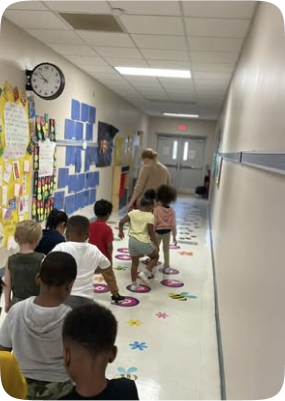
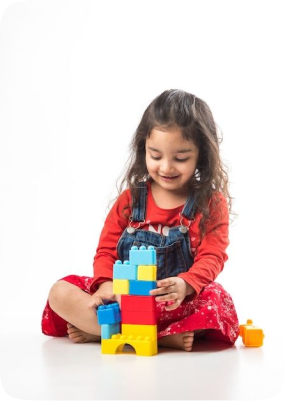
At All God’s Children Learning Center our toddler program is designed to provide safety, stimulation, and comfort for children ranging from around 15 months to 2½ years old.
Key Features of the Toddler Program (15 months - 2½ years old)
Each day is structured with routines that support the developmental needs of the infants, while also offering flexibility to accommodate their different moods and needs. Here’s an outline of the day-to-day functions in an infant room:

Safe and Clean Environment: The room is childproofed and maintained to ensure a safe environment with all toys and equipment being regularly sanitized.

One-on-One Attention: The infant room typically has a low caregiver-to-baby ratio to ensure that each child gets individualized attention.

Developmentally Appropriate Activities: Babies are given opportunities for cognitive, motor, and sensory development through toys, movement, and interaction with caregivers.
1. Arrival & Morning Greeting:
Parents check in and share updates on the baby’s mood, sleep, or feeding from home. Caregivers greet each infant gently to help them feel safe and secure. Infants are transitioned into cozy play or nap spaces with familiar comfort items.
2. Morning Feeding & Diapering:
Babies are fed on personalized schedules—whether bottle-fed with breast milk, formula, or solids as they become ready. Diapers are changed frequently throughout the day with loving care and attention to hygiene.
3. Sensory Play & Exploration:
Activities like tummy time, textured toys, soft music, and peek-a-boo foster sensory and motor development. These experiences help build strength, spark curiosity, and support early language exposure.
4. Mid-Morning Snack or Feeding:
As babies transition to solids, we offer mashed fruits, pureed vegetables, or cereals suited to their stage. Caregivers support early self-feeding while maintaining individual feeding plans.
5. Nap Time (Quiet Time):
Infants nap according to their needs in a dark, peaceful room with calming white noise. Caregivers closely monitor sleeping babies and ensure all safe sleep guidelines are followed.
6. Afternoon Feeding & Movement:
After rest, babies are nourished and gently encouraged to stretch, sit, or explore again with support. Regular diaper checks and feedings continue throughout the day.
7. Outdoor Time (Weather Permitting):
Weather permitting, infants are taken outdoors in strollers or engage with soft sensory mats and age-appropriate outdoor toys. Fresh air and gentle motion are part of our daily routine.
8. Socialization & Interactive Play:
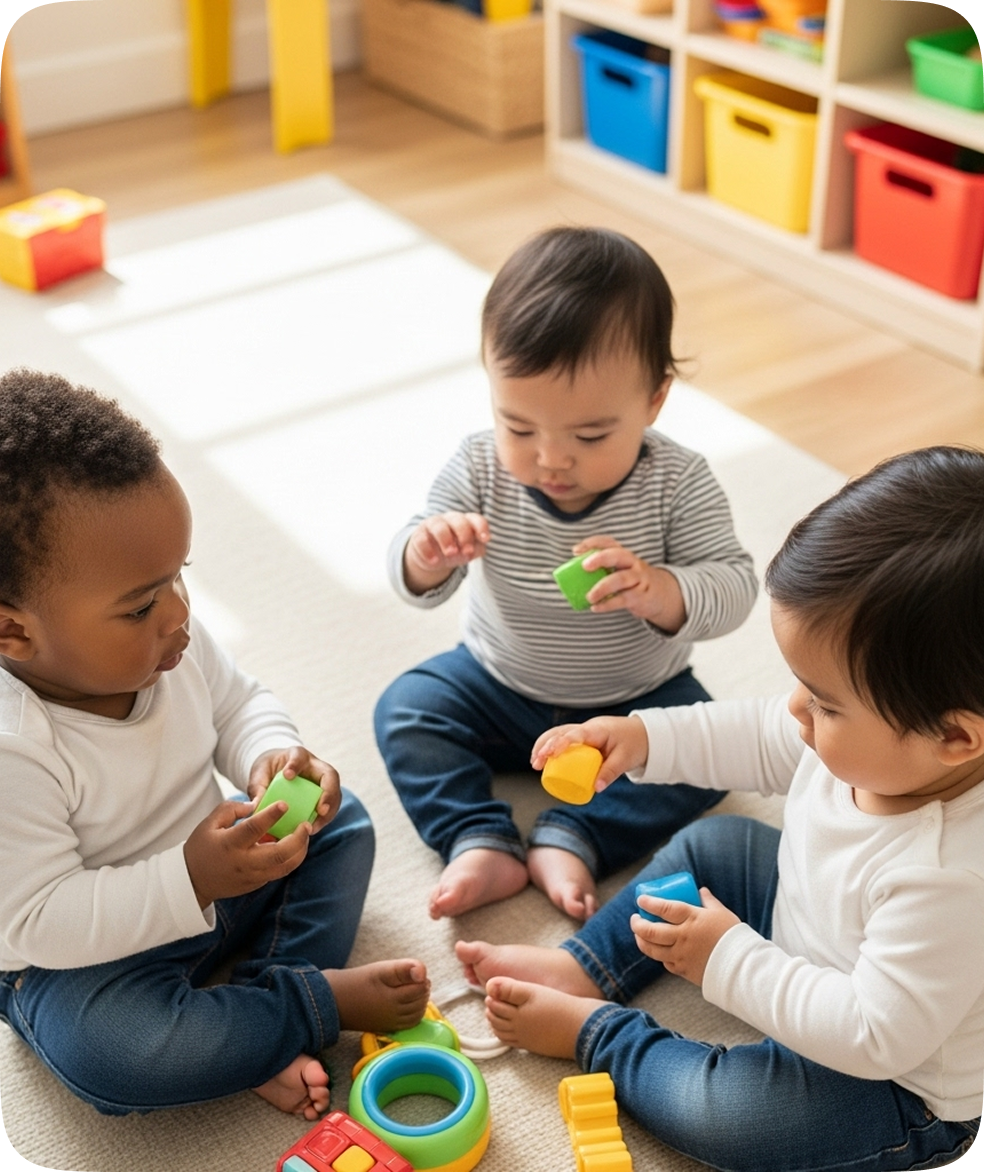
Babies engage in social play through group activities like crawling, music, or reaching for shared toys. These moments begin laying the foundation for communication and empathy.
9. Evening Routine & Pick-Up:
Caregivers perform a final diaper change and feeding as needed. Parents receive a warm update on their baby’s day—including naps, meals, moods, and milestones.
Personal goodbyes help create continuity and comfort.
10. Daily Record Keeping & Communication:
Each infant’s day is logged in detail using Brightwheel, including meals, naps, diaper changes, and notable moments.
Any signs of illness or mood changes are documented for parent review.
Start your Child’s Adventure Today
Secure your child’s spot now and give them the best start in life.